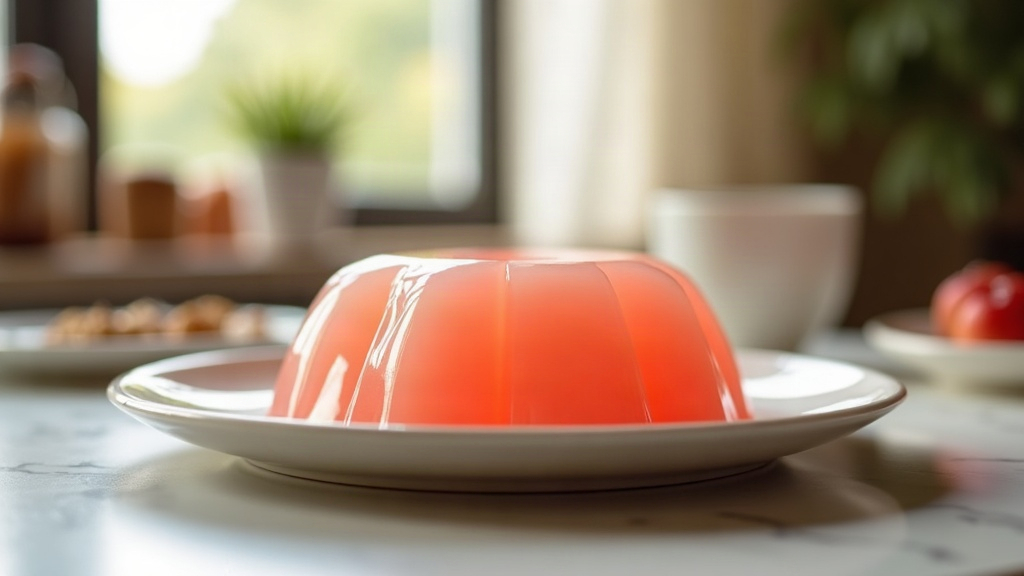
Not a trend. Not a shortcut. Just an old kitchen ingredient — gelatin — getting a second look as women’s bodies change with age, habits, and routine.
Somewhere between one birthday and the next, things feel different. Nobody hands you a manual. Here’s what’s actually going on.
Natural collagen production slows over time — it's a normal part of aging, not a personal failure. This is where gelatin (a cooked form of collagen) enters conversations about daily habits.
Satiety cues can shift over the years. What used to feel like 'enough' at a meal doesn't always land the same way anymore.
Muscle and body composition naturally evolve with age. It's biology, not a lack of discipline.
Most generic diet advice was never built around how a woman's body actually changes. That's the gap a lot of women are quietly noticing.
Let’s clear up some noise before it clears up anything else.
Myth: Metabolism just ‘breaks’ after a certain age.
Fact: Metabolic rate shifts gradually with changes in muscle mass, hormones, and activity — it’s a process, not a switch.
Myth: All protein sources do the same thing.
Fact: Protein types differ in amino acid profile; gelatin, for example, is notably rich in glycine and proline.
Myth: You have to overhaul your entire diet overnight.
Fact: Small, consistent habits are what most wellness routines are actually built on.
No extremes here. Just a way of thinking about routine.
Start by paying attention to how meals, energy, and fullness actually feel day to day — before changing anything.
Instead of cutting things out, many women focus on adding supportive habits, like incorporating gelatin into a recipe or routine.
Small habits repeated over weeks tend to matter more than one dramatic change.
Long before wellness trends had names, grandmothers were making bone broths and gelatin desserts — not for a trend, but because that’s what was in the kitchen. Gelatin comes from slowly cooking collagen-rich connective tissue, a practice found in kitchens across many cultures for generations.
Insight: what’s ‘new’ in wellness is often just an old habit, reintroduced with a modern name.
Feeling hungry again shortly after a full meal, more often than before.
Noticing changes in skin texture or elasticity over time.
More awareness of joints after activity or long days.
Weight that fluctuates without an obvious explanation.
An afternoon slump that wasn't there a few years ago.
Brittle nails or slower-growing nails becoming more noticeable.
Testimonials reflect individual experiences and opinions only. Individual results may vary. These statements have not been evaluated by the FDA and are not intended to diagnose, treat, cure, or prevent any disease.
Hydrolyzed gelatin is gelatin that has been broken down into smaller components for easier mixing and use, while still originating from the same collagen-rich source material.
No. This content is educational and focuses on general wellness habits, not weight-loss claims or promises.
Gelatin is derived from cooking collagen found in connective tissue, a traditional culinary practice used for generations.
No. The content is relevant to women in general who are curious about how their bodies change and how daily habits play a role.
Not necessarily. The approach discussed here focuses on small, additive habits rather than strict overhauls.
They’re related — gelatin is a cooked form of collagen — but they can differ in processing and how they’re used.
Yes. Always consult a qualified healthcare professional before making changes to your diet or wellness routine.
See the full explanation — how gelatin fits into women’s wellness conversations, and why so many are paying attention now.
Advertising Disclosure: This page contains sponsored content and affiliate links. We may receive compensation if you click on or make a purchase through links on this page. This helps support our content and does not affect the price you pay.
Content Disclaimer: The content on this page is for educational and informational purposes only. It is not intended as medical advice. These statements have not been evaluated by the Food and Drug Administration. This content is not intended to diagnose, treat, cure, or prevent any disease. Always consult a qualified healthcare professional before making changes to your diet, exercise, or wellness routine.
Results Disclaimer: Individual results may vary. Testimonials and examples shared on this page reflect individual experiences and are not a guarantee of any specific outcome or result for any other individual.
© 2026 ashleystyledinlausa.com · All Rights Reserved · /contact/